

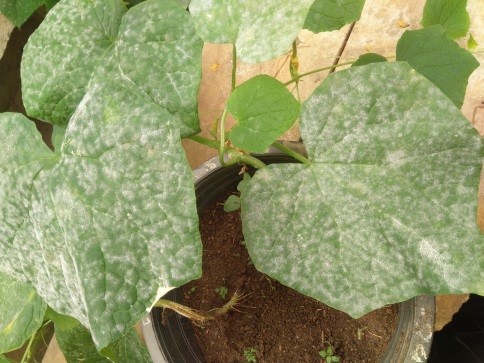
Causal organism: Podosphaera xanthii
Symptoms:
Management:
- First appears as pale yellow spots on older leaves
- These spots enlarge as the white, fluffy mycelium grows over leaves surfaces
- Severely attacked leaves become brown and shrivelled and defoliation may occur
 |
- Use recommended fungicides at initial stage of disease development (Refer: Pesticide recommendation DOA, 2019)
- Distraction of infected plant debris after harvest
Causal organism: Pseudoperonospora cubensis
Symptoms:
- Angular yellow spots that are limited by the leaf veins on the upper surface of the leaves.
- Leaves become chlorotic and finally necrotic and host plant cells die
Management:
- Use recommended fungicides at initial stage of disease development (Refer: Pesticide recommendation DOA, 2019)
- Distraction of infected plant debris after harvest
Causal organisms: Sclerotium spp., Fusarium spp.
Symptoms:
- Initially the plants show temporary wilting symptoms
- The leaves yellowing, loose turgidity and show drooping
- Eventually, the plant dies.
- Vascular bundles in the collar region become yellow or brown.
Management:
- Destroy infected plants with soil
- Improved drainage
- Use recommended fungicides at initial stage of disease development (Refer: Pesticide recommendation DOA, 2019)
Causal organisms: Didymella bryoniae
Symptoms:
- Lesions on leaves and fruit usually begin as spreading water-soaked areas
- The former these may have a chlorotic halo, become light brown and irregular in outline
- Dark cracked sunken lesions on fruit
- Plant collapse where sunken, girdling cankers
- Spots on stems often elongate into streaks and gummy exudates may occur from cracks
- Dark brown to black fruiting bodies (pycnidia) can be seen on fruit, stem, or leaf
Management:
- Crop debris should be ploughed deeply immediately after harvest to reduce fungus survival
- Use recommended fungicides at initial stage of disease development (Refer: Pesticide recommendation DOA, 2019)
Causal organism: Ralstonia solanacearum
Symptoms:
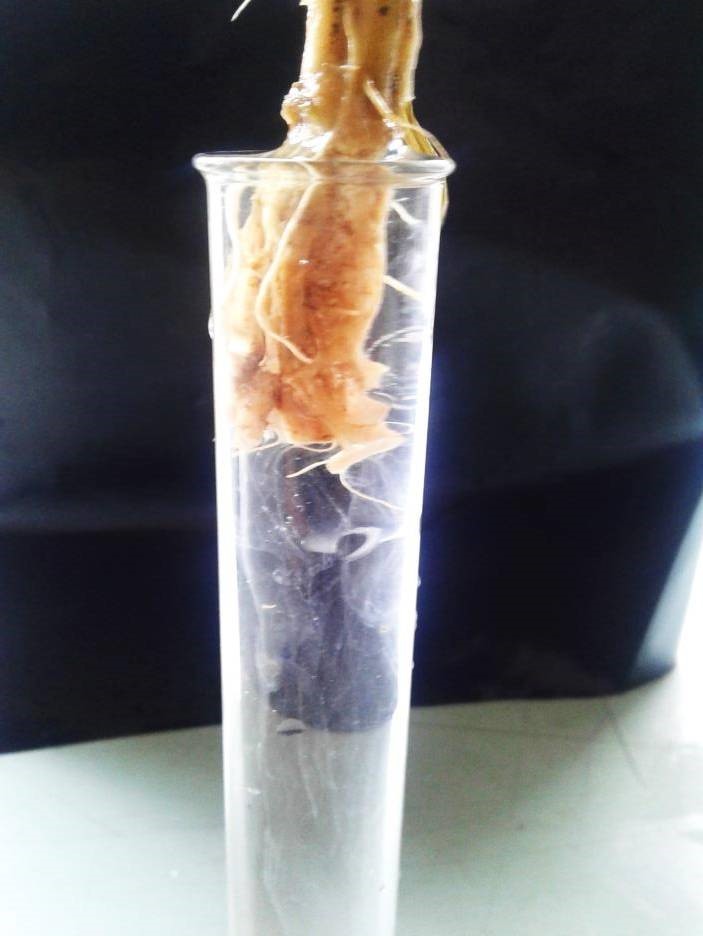
Disease Diagnosis: slimy viscous Bacterial ooze comes out from cut end of affected parts when immersing in clear water.
Management:
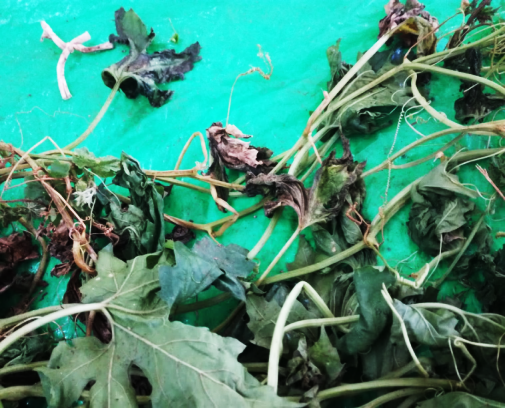
- Sudden drooping of leaves
- Whole plant finally wilts
- Leaves become brown, dry
- Vascular discoloration (Brown)
- Permanent wilting
- Infected soil, water, plant debris, Nematodes and insects ,pruning, Weeds as host plants
 |
 |
- Destroy infected plants with soil
- Crop rotation with non- susceptible crops (okra , maize)
- Mixed cropping with cruciferae crops
- Avoid movement of equipment from infected fields to non- infected fields
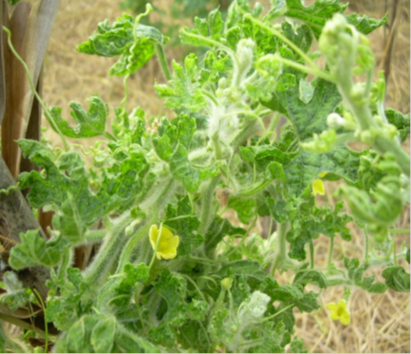
Transmitted by white fly (Bemicia tabaci)
Symptoms:
- upward curling, shortening, and distortion of leaves
- Plant stunted and fruits deformed.
 |
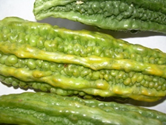
Transmitted by aphids
Symptoms:
- Mosaic and mottling of leaves
- leaf distortion
- Malformation of fruits and reduction in fruit size
- In severe infections, oily patches on the fruit surface
 |
Transmission: Seed borne, through sap
Symptoms:
- Green mottle, leaf deformation
- Green spot on fruits, turn bright yellow and decaying fruit
- fruit malformation.
Symptoms:
- Stunting, yellowing, necrosis (occasionally), mosaic, leaf deformations (blisters, shoe stringing)
- Fruit discolorations and deformations
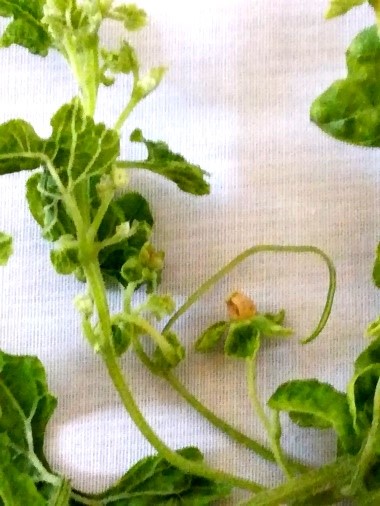
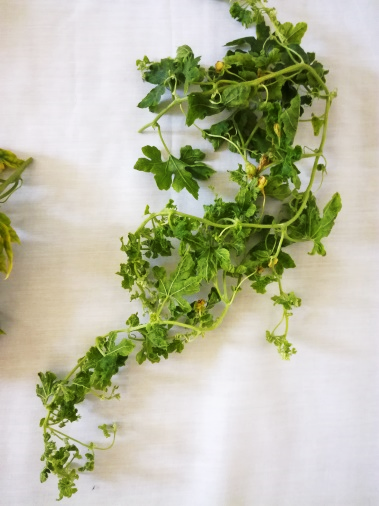
Disease symptoms
- Smaller, thickened and yellowish green leaves
- Shortened internodes and stunting of plants
- Witch’s broom symptom
- Greening of flowers
- Through leaf hoppers
- Through infected seeds
- Remove infected plants
- Control vectors (leaf hoppers) using a recommended insecticide
 |
 |